Thursday, 12 May 2011

Friday, 6 May 2011
Unit 3 Secondary Research
Fact 1-"Food Miles is a term which refers to the distance food is transported from the time of its production until it reaches the consumer"
http://en.wikipedia.org/wiki/Food_miles
December 2009
Fact 2-"Food transport is responsible for the UK adding nearly 19 million tonnes of carbon dioxide to the atmosphere each year.
http://www.climatechoices.org.uk/pages/food3.htm
Found in 2011
Fact 3-"The average household throws out nearly 15kg of food packaging every week**. Simply by purchasing less heavily-packaged goods, or using what waste you can for compost, you are doing one more good deed for the environment.
http://www.nfumutual.co.uk/lifestyle/issue-one/reducing-food-miles.htm
Found in 2011
Fact 4-"95% of fruit and 50% of vegetables eaten in the UK are imported"
http://www.countryside-alliance.org.uk/awards/facts-and-statistics/
Found in 2011
Fact 5-"Purchasing local produce will help to benefit the local economy, help local traders and farmers and help to reduce carbon emissions."
http://www.worcestershire.gov.uk/cms/community-and-living/sustainability/worcestershire-green-directory/at-home/food-and-shopping/food-miles.aspx
22 November 2010
Fact 6-"The global food packaging industry is now worth $100bn-a-year, growing 10-15% each year year. Anything between 10% and 50% of the price of food today can be down to its packaging."
http://www.thesite.org/healthandwellbeing/fitnessanddiet/food/foodpackaging
27 January 2010
Fact 7-"Although up to 70% of this food packaging could potentially be recycled, the fact is that only about 30% is actually recycled. The rest ends up in landfill sites."
http://www.iohmagazine.com/the-facts-about-food-packaging.php
Found in 2011
Fact 8-"Packaging protects food from germs and bruising. The nutritional value and other consumer information is listed on the outside of the package. Packaging also helps to increase the food's shelf life."
Fact 9-"Transport of food by air has the highest CO2 emissions per mile and is the fastest growing mode of transportation. Although air freight of food accounts for only 1% of the miles travelled, it produces 11% of all CO2 emissions from food transportation."
http://www.harlow.gov.uk/about_the_council/council_services/environment/energy_efficiency/food_miles.aspx
13 August 2010
Fact 10-"Even imported organic food can have a tremendous impact. A single Briton's shopping basket of 26 imported organic products could have travelled 241,000km and released as much CO2 into the atmosphere as an average four bedroom household does through cooking meals over eight months."
http://www.acfonline.org.au/news.asp?news_id=491&c=212059
Found in 2011
http://en.wikipedia.org/wiki/Food_miles
December 2009
Fact 2-"Food transport is responsible for the UK adding nearly 19 million tonnes of carbon dioxide to the atmosphere each year.
http://www.climatechoices.org.uk/pages/food3.htm
Found in 2011
Fact 3-"The average household throws out nearly 15kg of food packaging every week**. Simply by purchasing less heavily-packaged goods, or using what waste you can for compost, you are doing one more good deed for the environment.
http://www.nfumutual.co.uk/lifestyle/issue-one/reducing-food-miles.htm
Found in 2011
Fact 4-"95% of fruit and 50% of vegetables eaten in the UK are imported"
http://www.countryside-alliance.org.uk/awards/facts-and-statistics/
Found in 2011
Fact 5-"Purchasing local produce will help to benefit the local economy, help local traders and farmers and help to reduce carbon emissions."
http://www.worcestershire.gov.uk/cms/community-and-living/sustainability/worcestershire-green-directory/at-home/food-and-shopping/food-miles.aspx
22 November 2010
Fact 6-"The global food packaging industry is now worth $100bn-a-year, growing 10-15% each year year. Anything between 10% and 50% of the price of food today can be down to its packaging."
http://www.thesite.org/healthandwellbeing/fitnessanddiet/food/foodpackaging
27 January 2010
Fact 7-"Although up to 70% of this food packaging could potentially be recycled, the fact is that only about 30% is actually recycled. The rest ends up in landfill sites."
http://www.iohmagazine.com/the-facts-about-food-packaging.php
Found in 2011
Fact 8-"Packaging protects food from germs and bruising. The nutritional value and other consumer information is listed on the outside of the package. Packaging also helps to increase the food's shelf life."
Fact 9-"Transport of food by air has the highest CO2 emissions per mile and is the fastest growing mode of transportation. Although air freight of food accounts for only 1% of the miles travelled, it produces 11% of all CO2 emissions from food transportation."
http://www.harlow.gov.uk/about_the_council/council_services/environment/energy_efficiency/food_miles.aspx
13 August 2010
Fact 10-"Even imported organic food can have a tremendous impact. A single Briton's shopping basket of 26 imported organic products could have travelled 241,000km and released as much CO2 into the atmosphere as an average four bedroom household does through cooking meals over eight months."
http://www.acfonline.org.au/news.asp?news_id=491&c=212059
Found in 2011
Unit 3 Beachcombing
http://news.nationalgeographic.com/news/2004/12/1206_041206_global_warming.html

http://video.nationalgeographic.com/video/player/environment/global-warming-environment/global-warming-101.html


Benefits of eating local produce
"Locally sourced food helps the environment in many ways. Most supermarket food will travel hundreds of miles to get to your shopping basket. The obvious impact of this on the environment is the amount of fuel used. Produce straight from the field, orchard or sea dramatically reduces not only fuel pollution but all the other harmful chemicals used in the storage and transportation process. Packaging is an area many people have issue with. Supermarket food packaging burdens the environment from manufacturing which uses precious energy and damaging chemicals to the vast amount of waste that ends up in landfills. Fresh, local produce on the other hand has minimal, less flashy packaging. Often, all it is is a plain paper bag. This not only has less impact on the flavour of the food, it reduces the use of natural resources."
http://ezinearticles.com/?The-Benefits-of-Using-Fresh,-Local-Produce&id=2066588
"Local food is fresher and tastes better than food that been trucked or flown in from thousands of miles away. Think you can't taste the difference between lettuce picked yesterday and lettuce picked last week, factory-washed, and sealed in plastic? You can.
And fresh food? It lasts longer too."
http://localfoods.about.com/od/finduselocalfoods/tp/5-Reasons-to-Eat-Local-Foods.htm

http://video.nationalgeographic.com/video/player/environment/global-warming-environment/global-warming-101.html


Benefits of eating local produce
"Locally sourced food helps the environment in many ways. Most supermarket food will travel hundreds of miles to get to your shopping basket. The obvious impact of this on the environment is the amount of fuel used. Produce straight from the field, orchard or sea dramatically reduces not only fuel pollution but all the other harmful chemicals used in the storage and transportation process. Packaging is an area many people have issue with. Supermarket food packaging burdens the environment from manufacturing which uses precious energy and damaging chemicals to the vast amount of waste that ends up in landfills. Fresh, local produce on the other hand has minimal, less flashy packaging. Often, all it is is a plain paper bag. This not only has less impact on the flavour of the food, it reduces the use of natural resources."
http://ezinearticles.com/?The-Benefits-of-Using-Fresh,-Local-Produce&id=2066588
"Local food is fresher and tastes better than food that been trucked or flown in from thousands of miles away. Think you can't taste the difference between lettuce picked yesterday and lettuce picked last week, factory-washed, and sealed in plastic? You can.
And fresh food? It lasts longer too."
http://localfoods.about.com/od/finduselocalfoods/tp/5-Reasons-to-Eat-Local-Foods.htm
Unit 3 Initial Ideas
What are the key elements of the brief that you need to address?
The key elements of the brief are to research, plan and produce two television adverts to educate teenagers about the dangers of global warming and climate change, I will need to choose my target audience from two age ranges between 12-14 and 15-19 year olds. Each of the TV adverts must be 30 seconds and must cover a different aspect of global warming, although they will be about different elements of global warming, they must be a part of a linked campaign
What do you think will be the biggest challenge?
The biggest challenge I think for me will be to produce two adverts all by myself and coming up with initial ideas.
What technical skills do you hope to develop?
The technical skills I hope to develop is conventional advert camera language.
What are you initial ideas?
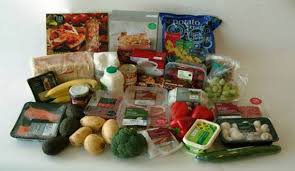
My initial ideas are smoking, electric technology, growing own food and eating local produce, reducing food packaging, using public transport




The key elements of the brief are to research, plan and produce two television adverts to educate teenagers about the dangers of global warming and climate change, I will need to choose my target audience from two age ranges between 12-14 and 15-19 year olds. Each of the TV adverts must be 30 seconds and must cover a different aspect of global warming, although they will be about different elements of global warming, they must be a part of a linked campaign
What do you think will be the biggest challenge?
The biggest challenge I think for me will be to produce two adverts all by myself and coming up with initial ideas.
What technical skills do you hope to develop?
The technical skills I hope to develop is conventional advert camera language.
What are you initial ideas?
My initial ideas are smoking, electric technology, growing own food and eating local produce, reducing food packaging, using public transport
Unit 2 Charity video
The task is to record a charity video with different lighting. The charity video has a sad atmosphere.
We created the three point lighting system which has fill light, back light and key light. We used a black colour gel in order to create a greyish look to a video.
We attemped to make the video grey but sadly it was not effective. The video was successful and it does create a sad atmosphere which is needed for a charity appeal.
Unit 2 Lighting


The task is to take two different types of photos in an atmosphere, the atmosphere I created is danger. We had to used a three point lighting system for the first photo, then I created the same feeling with different colour gels.
In the photograph at the bottom, the type of lighting we used is underlighting which is under the subject to make the face of the subject evil and sinister.
In the photograph at the top, we used a pink colour gel at the type of lighting is underlighting, the photo of the subjuct is zoomed into a mid-close up
We are attempting to make the atmosphere red but the problem is that there is no red colour gel so I had to use pink which is a feminine colour
Unit 2 Sound Video and Evaluation
The first strength of this video is that the sound quality of this video is good, the second strength is that the recording timing is on time and the thrid strength is that the locations of the sound recording is the greatplace to record.
The first weakness is the boom mic volume is not working, the second weakness is that the editing of this video is time wasting and the third weakness is that I don't like being in the school camera, that's why the clips didn't appear in the video
Unit 2-The 3 Greyhounds Risk Assessment
The 3 Greyhounds
This location could be used for a meeting, drinks with friends or lunch or evening meal
This location could be used for a meeting, drinks with friends or lunch or evening meal
Unit 2-Trafalgar Square Risk Assessment
Unit 2 - Trafalgar Square Risk Assessment
This location could be used for an introduction or a meeting place for a romantic film, or a sightseeing venue.
This location could be used for an introduction or a meeting place for a romantic film, or a sightseeing venue.
Unit 2-Charing Cross Station Risk Assessment
Unit 2 - Charing Cross Tube Risk Assessment Form
This location could be used for a scene where a couple have split up and one of them is leaving on a train and the other one is running to stop them leaving or a meeting place.
This location could be used for a scene where a couple have split up and one of them is leaving on a train and the other one is running to stop them leaving or a meeting place.
Unit 2-Palace Theatre Risk Assessment
Unit 2 - Palace Theatre Risk Assessment
This location could be used for an evening out to a west end show.
This location could be used for an evening out to a west end show.
Unit 2 Edit Workshop Evaluation
Strengths
- Good editing meant that I was able to match all the shots to the sounds
- A good variety of shots were used to show violence which would make it appeal to the target audience
- It gave a clear idea of what the game is about
- The male character's mouth wasn't moving when he was supposed to be talking
- The framing of the male character on the phone wasn't very good as he kept falling out of shot
- In the last shot, unexpected light creates a weird effect on the characters in the shot
- If there is dialogue, the character's actions must match it
- Some parts are too dark, need to think about where we film
Subscribe to:
Posts (Atom)